
Mazu’s Fulgurites – Lightning Glass & Lodestones
Lightning leaves something behind. Every strike can fuse the ground into a fulgurite: a one-of-a-kind tube of natural glass, waiting to be dug up, studied and put on display.
介绍

Lightning leaves something behind. Every strike can fuse the ground into a fulgurite: a one-of-a-kind tube of natural glass, waiting to be dug up, studied and put on display.
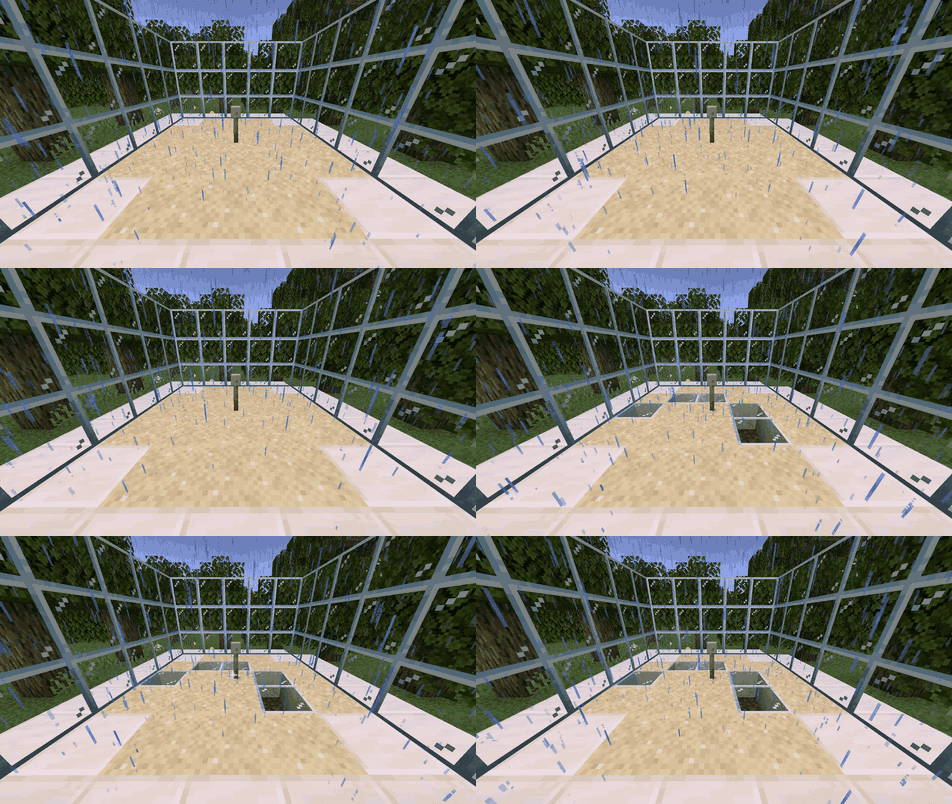

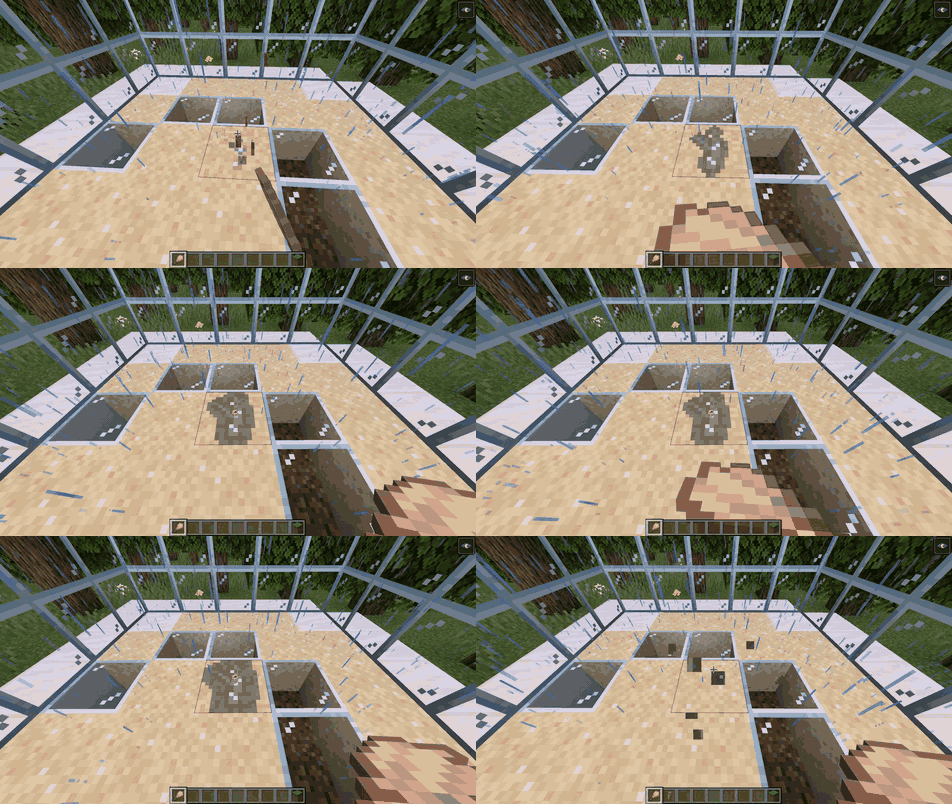
When lightning hits the ground, the heat melts the ground around the bolt’s path into glass. Strike sand, red sand, dirt, clay or gravel and there’s a good chance a fulgurite forms buried right under the impact, with scattered glass fused into the sand around it.
- Brush the struck block with an archaeology brush to free the specimen.
- Long specimens reach two blocks deep.
- Any lightning works: storms, a Channeling trident, or a lightning rod on sand to farm them.

Every fulgurite is generated from its own seed and the ground it formed in: a voxel tube that wanders down from an open mouth, with a hollow core, ridges, side branches and glass fused from the inside out.

Thin-walled tubes around an open axial void, the classic lightning glass. Pale in sand, rusty in red sand.

Lumpier, glass-rich and branched like coral, full of bubbles. Formed in dirt, clay and gravel, each with its own colors.

The seed rolls five traits, each with its own tier, from common to pristine ★:
| Trait | Common | Pristine ★ |
|---|---|---|
| Length | 18–24 cm | 54–64 cm |
| Branches | none | 6–7 |
| Vitrification | 5–20% | 75–95% |
| Hollow core | 0–15% open | 75–100% open |
| Glass purity | cloudy | clear |
Together they set the specimen’s rarity: Common, Uncommon, Rare, Legendary and Pristine, roughly 1 in 165, and only with at least two ★ traits. Every specimen also gets its own catalogue number.
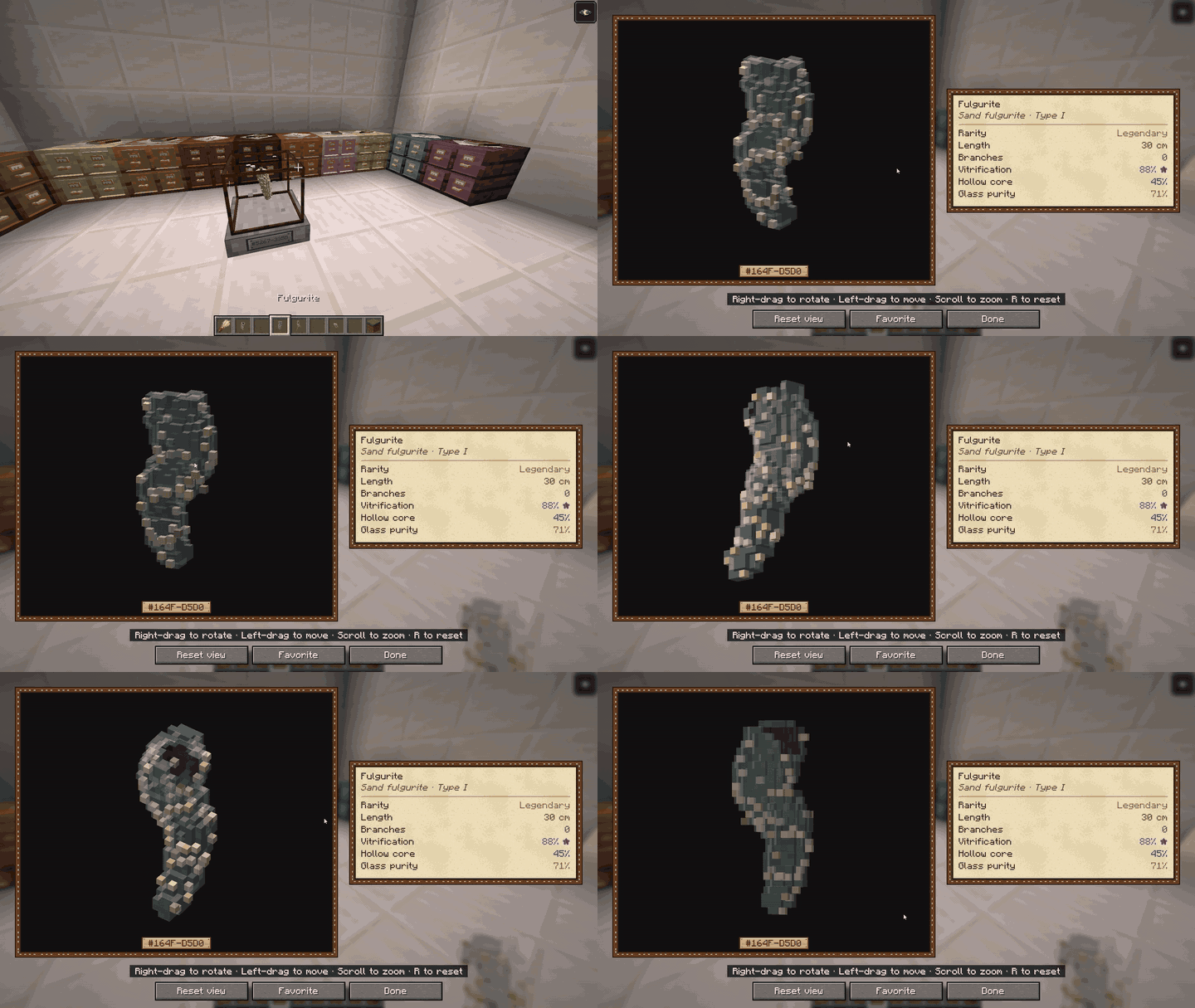


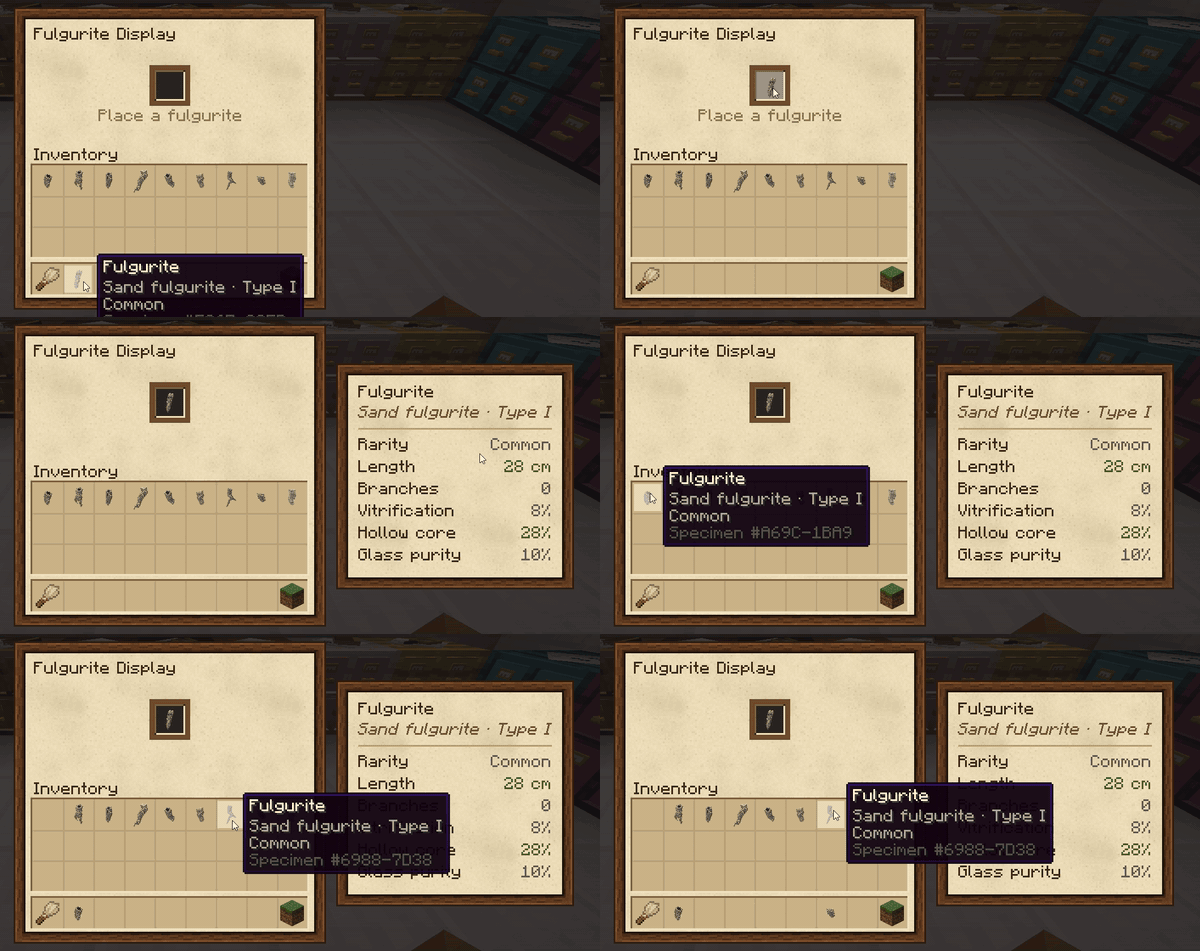
Right-click a fulgurite to study it in a museum case: turn it, move it and zoom in, next to a label with every trait colored by its tier. Mark your favorites with a gold star.

A glass case on a stone base. The specimen turns slowly inside, over a plaque in its rarity’s color. Name it in an anvil and the name goes on the plaque.

Four drawers of specimens in any wood. Open a drawer’s tab and it slides out in the world, or sort the whole collection by soil or rarity. Works with hoppers and comparators.
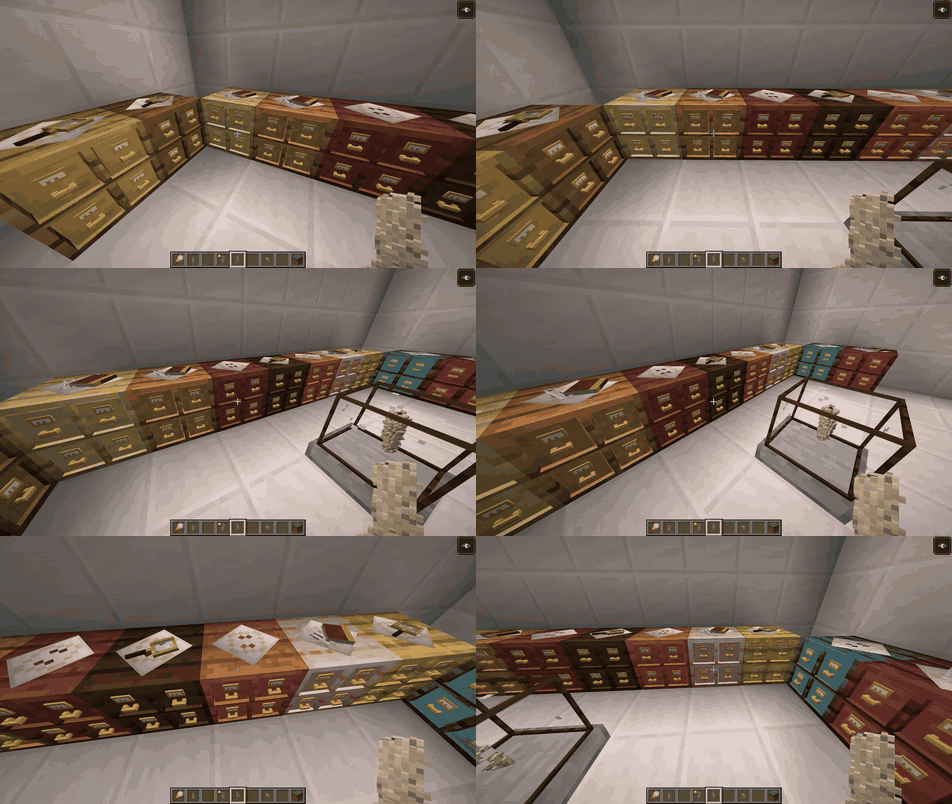
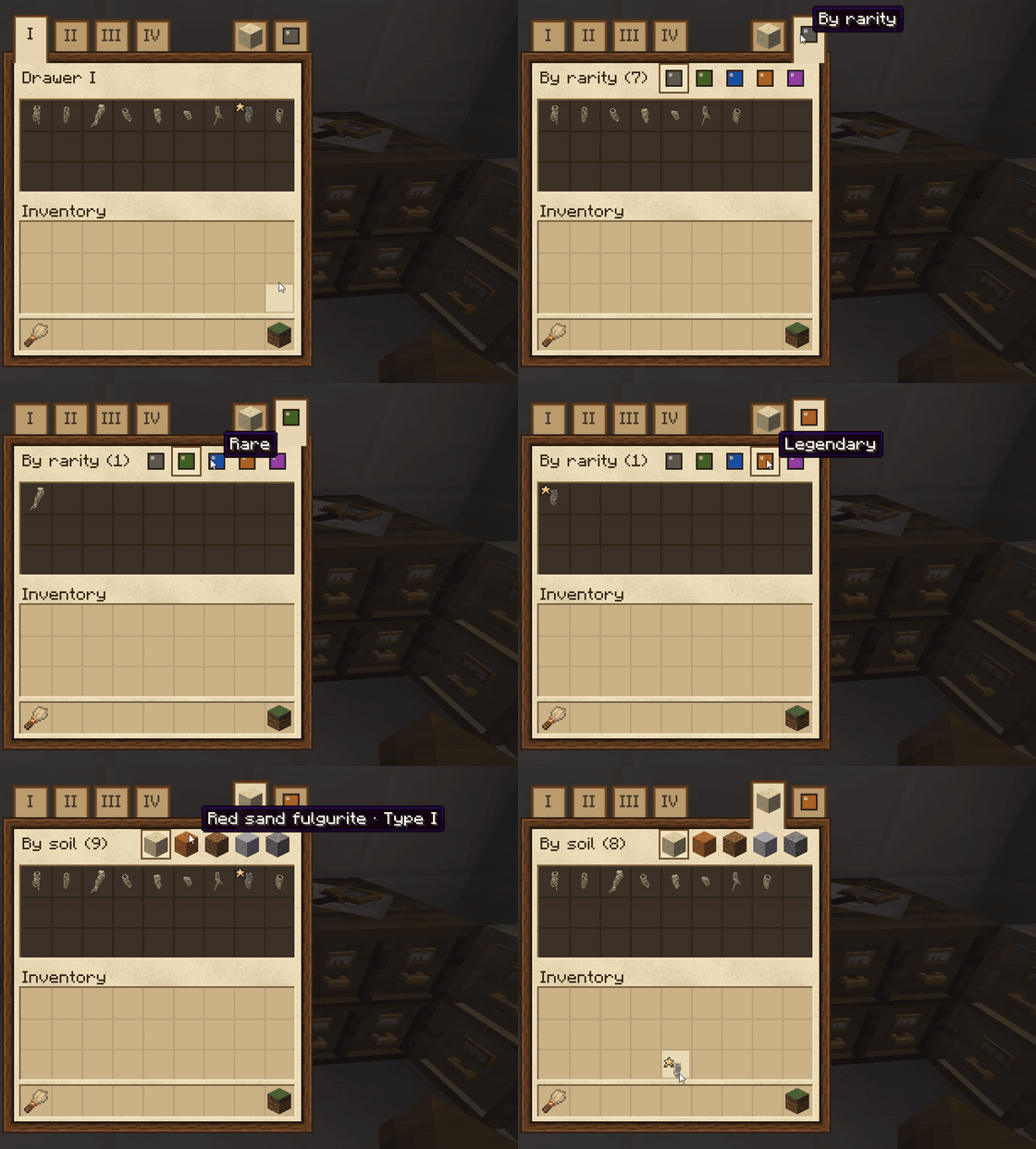

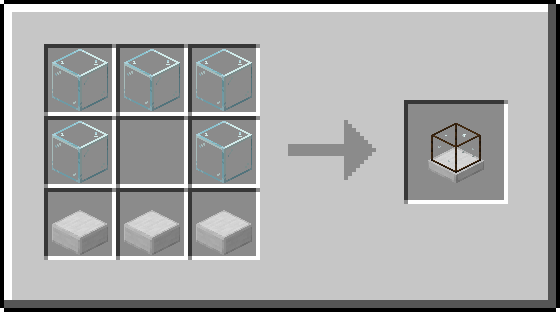
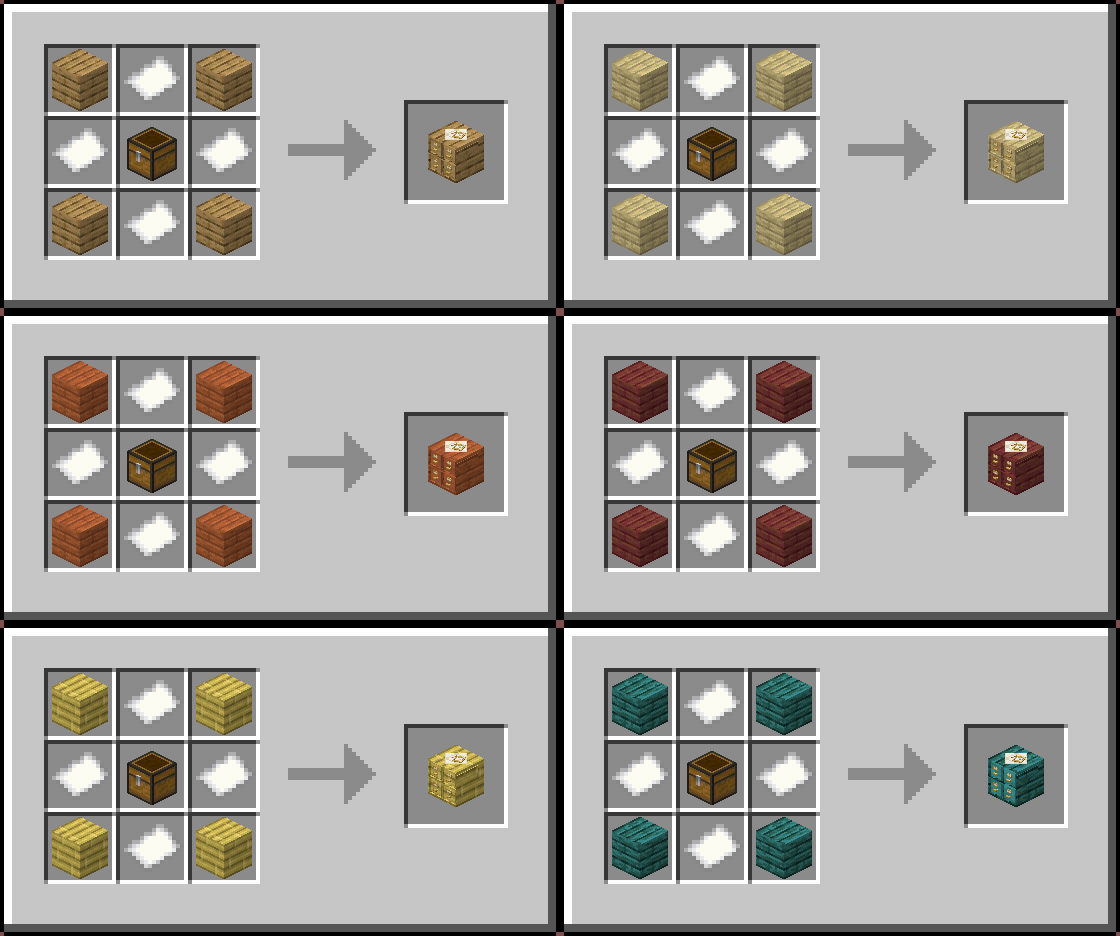

Lightning also magnetizes iron. Blocks of iron and raw iron near the impact can turn into lodestones, the way natural lodestones are thought to form. A lightning rod on an iron block is the easy way to make one.

- Rock fulgurites and a geologist’s hammer to chip them out of stone.
- Advancements, a specimen catalogue and more on the way to 1.0.

Every chance and radius can be changed in the config.
Formerly Lightning Interactions. Part of the Mazu’s series.
常见问题
Mazu’s Fulgurites – Lightning Glass & Lodestones 支持哪些 Minecraft 版本?
Mazu’s Fulgurites – Lightning Glass & Lodestones 支持 Minecraft Java 版 1.20.1–26.3,共 3 个版本,可用的加载器:Fabric / Forge / NeoForge。下载时注意选择和你游戏版本一致的文件。
Mazu’s Fulgurites – Lightning Glass & Lodestones 怎么安装?
先用 PCL2 或 HMCL 启动器安装对应版本的 Fabric / Forge / NeoForge,再把下载的 .jar 文件放进游戏目录的 mods 文件夹,重新启动游戏即可。开启了版本隔离的,mods 文件夹在 versions/版本名 下面。
Snissac 的其他作品
查看全部 →
Domino Trees (Dynamic Trees/Timber Tales addon)
倒下的树会连锁撞倒周围的树。为 Dynamic Trees 和 Timber Tales 添加多米诺骨牌效应。

Sable Trees: Physics Tree Felling
Chop trees the real way: notch, back-cut and watch them fall with full Sable physics.
Mazu’s Furnaces
Fire is something you earn. Start with a hole in the ground and work your way up a ladder of real furnaces until you can melt netherite.
Sable Trees/Dynamic Trees Compatibility
Dynamic Trees grows them. Sable Trees cuts them down, and they fall for real, with full Sable physics.
评论
登录后评论和评分