SoundSystem
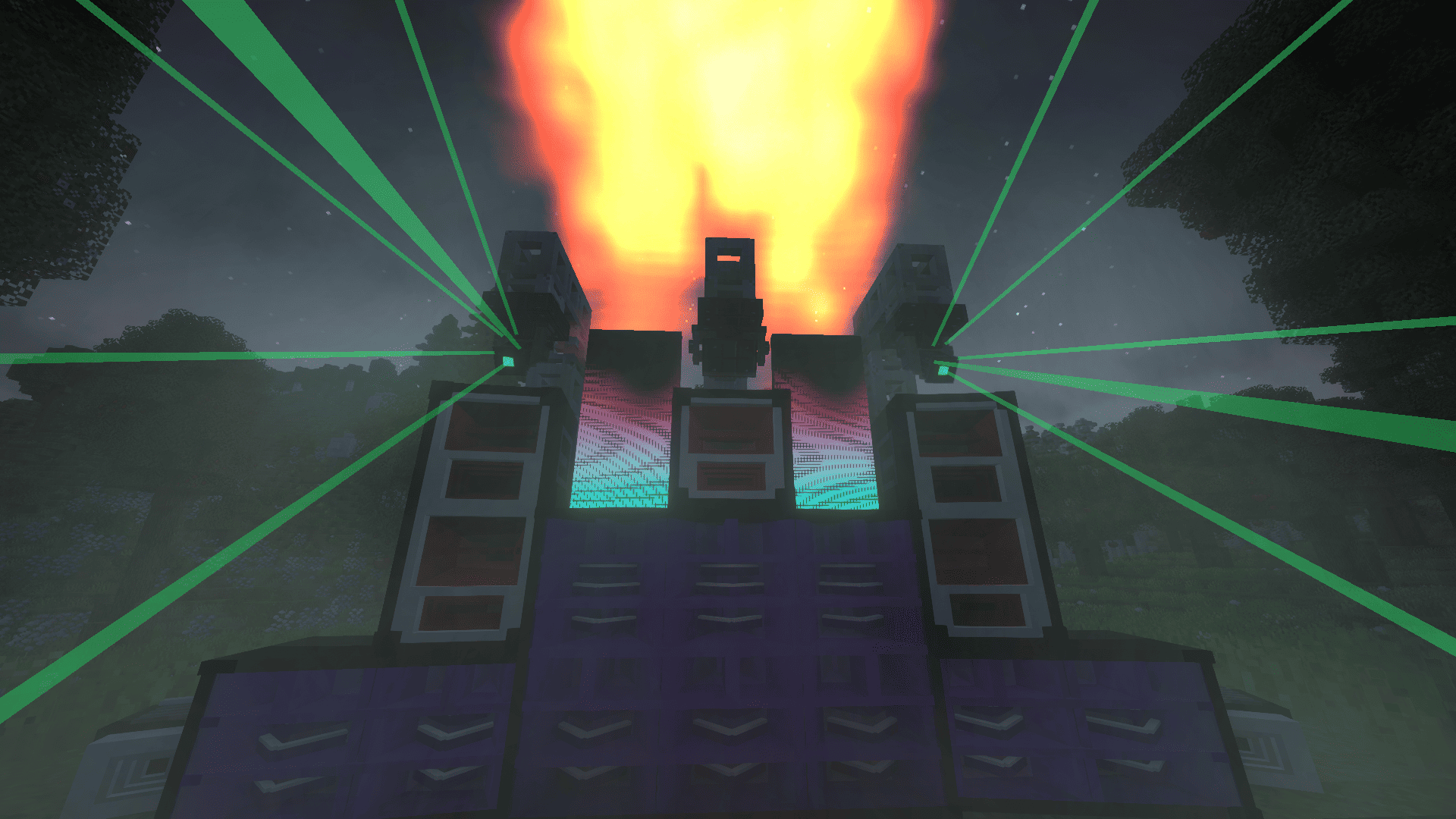
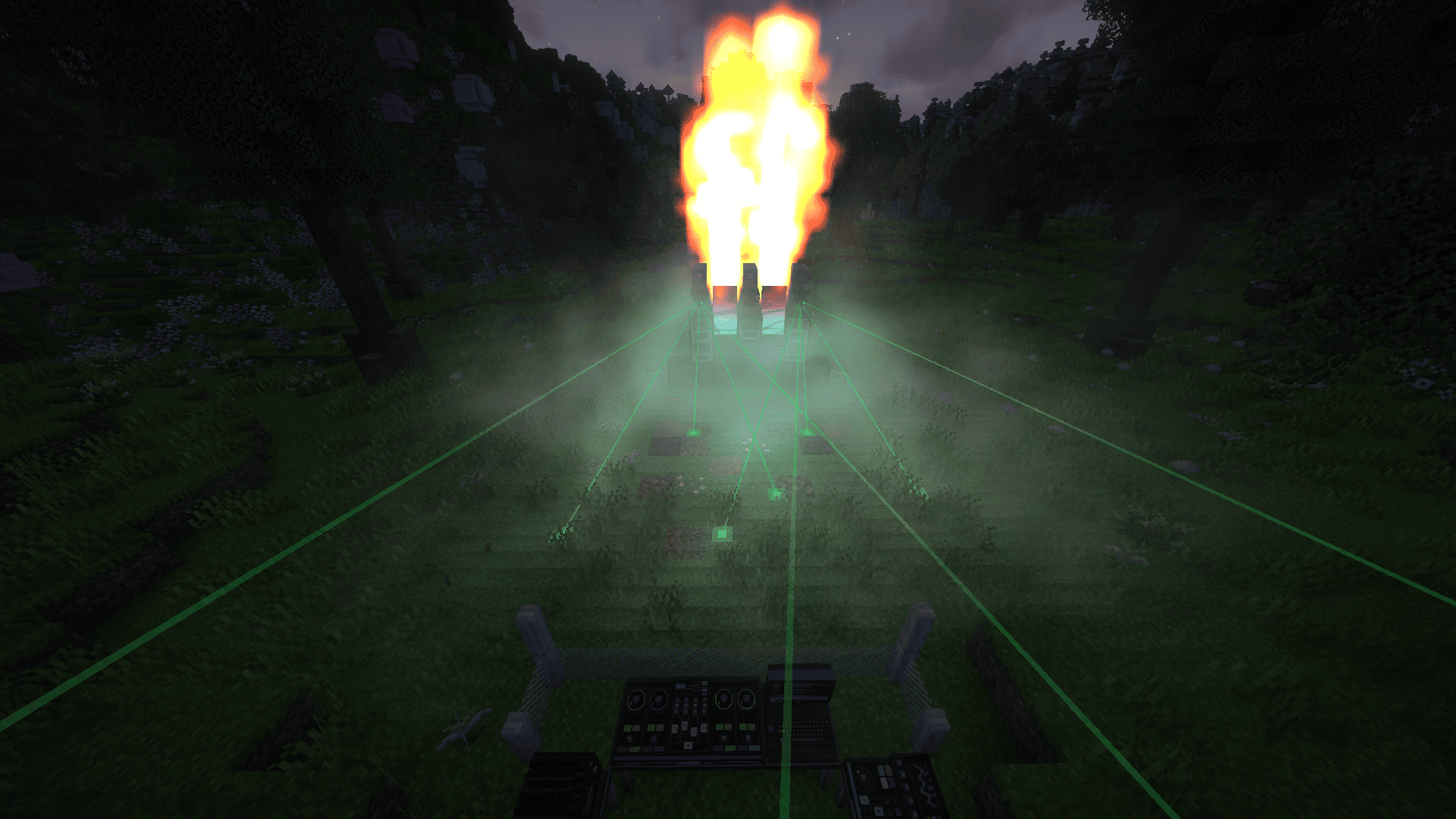
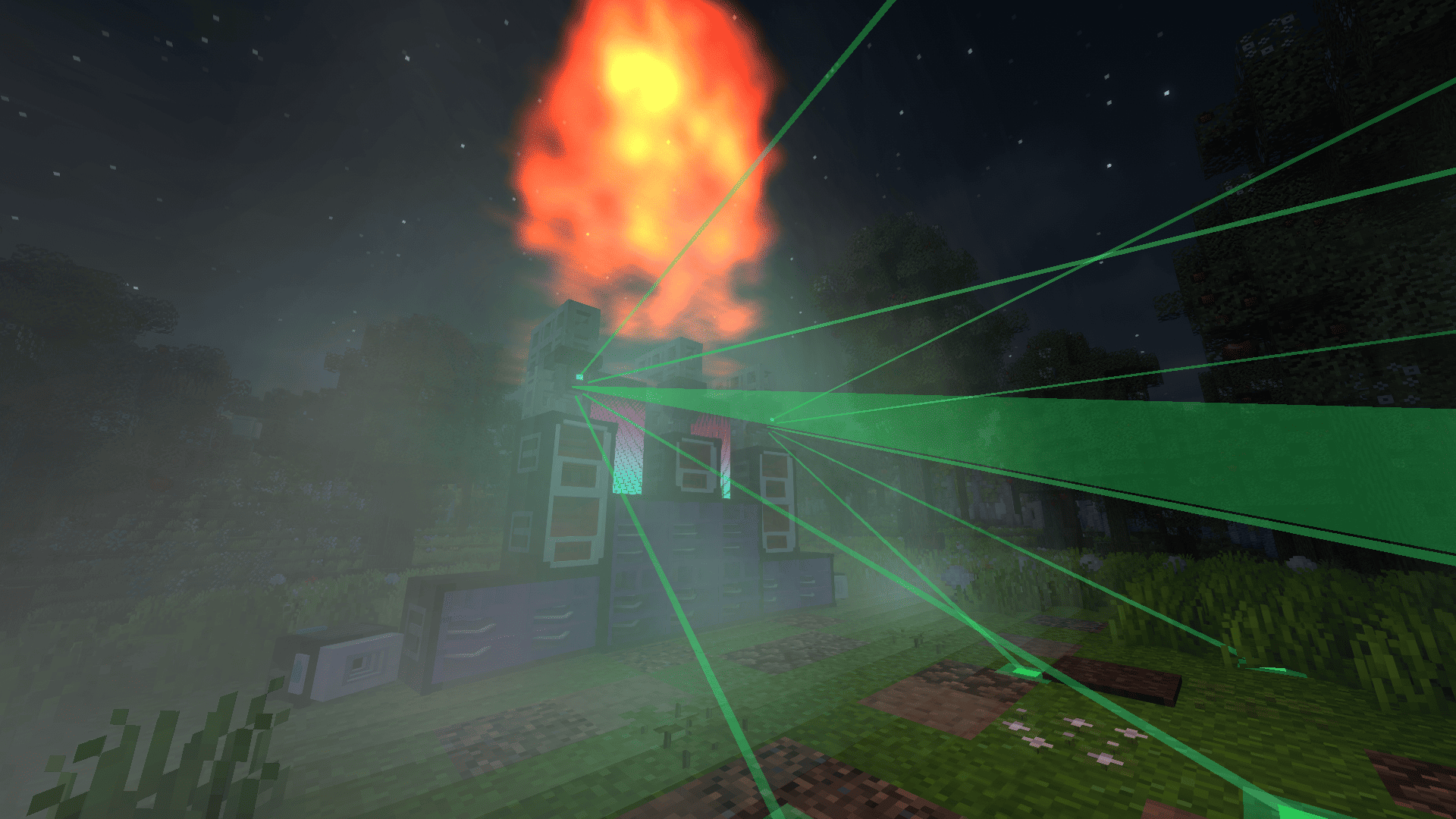
Create your own sound system for raves , festivals or nightclubs in Minecraft with realistic sound and features !
截图
介绍
SoundSystem
Build a real sound system and a full stage light show, block by block, in Minecraft — on Fabric and on NeoForge. SoundSystem turns your world into a working festival or club setup: DJ decks fed by SoundCloud or by your own audio files, modular speaker stacks with real DSP, DMX-style lighting, and pyro effects — all wired together with invisible cabling instead of redstone.
SoundSystem 2 needs a second mod: SoundSystem Lib. The Lib is the sound engine (SoundCloud playback, decoding, synchronisation, the physics of sound) and carries the animated guide. Put both jars in mods/, the two made for your loader (Fabric or NeoForge). Details in Requirements below.
You can also use Sound Physics Remastered for reverbs !
Learn as you go
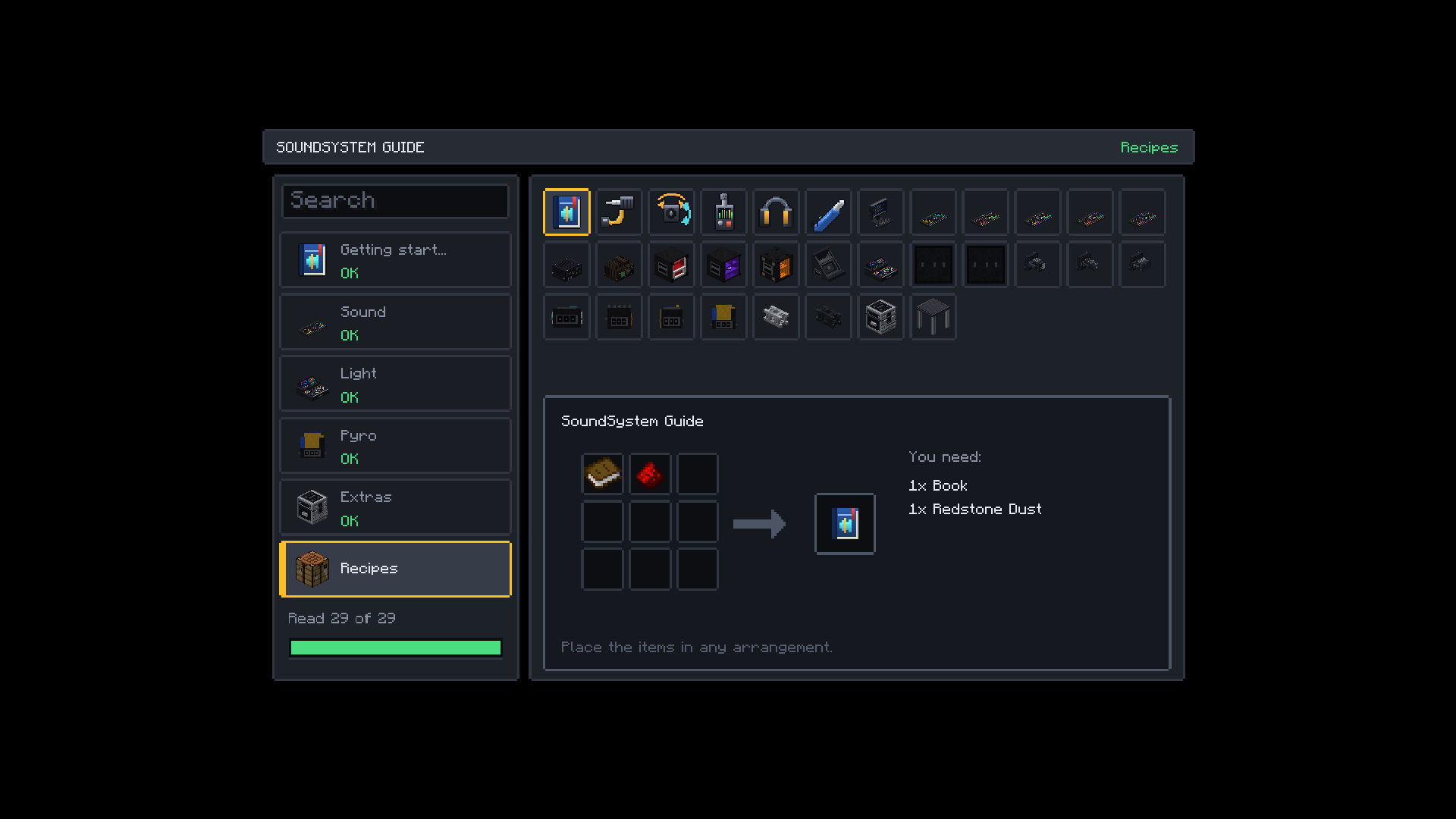
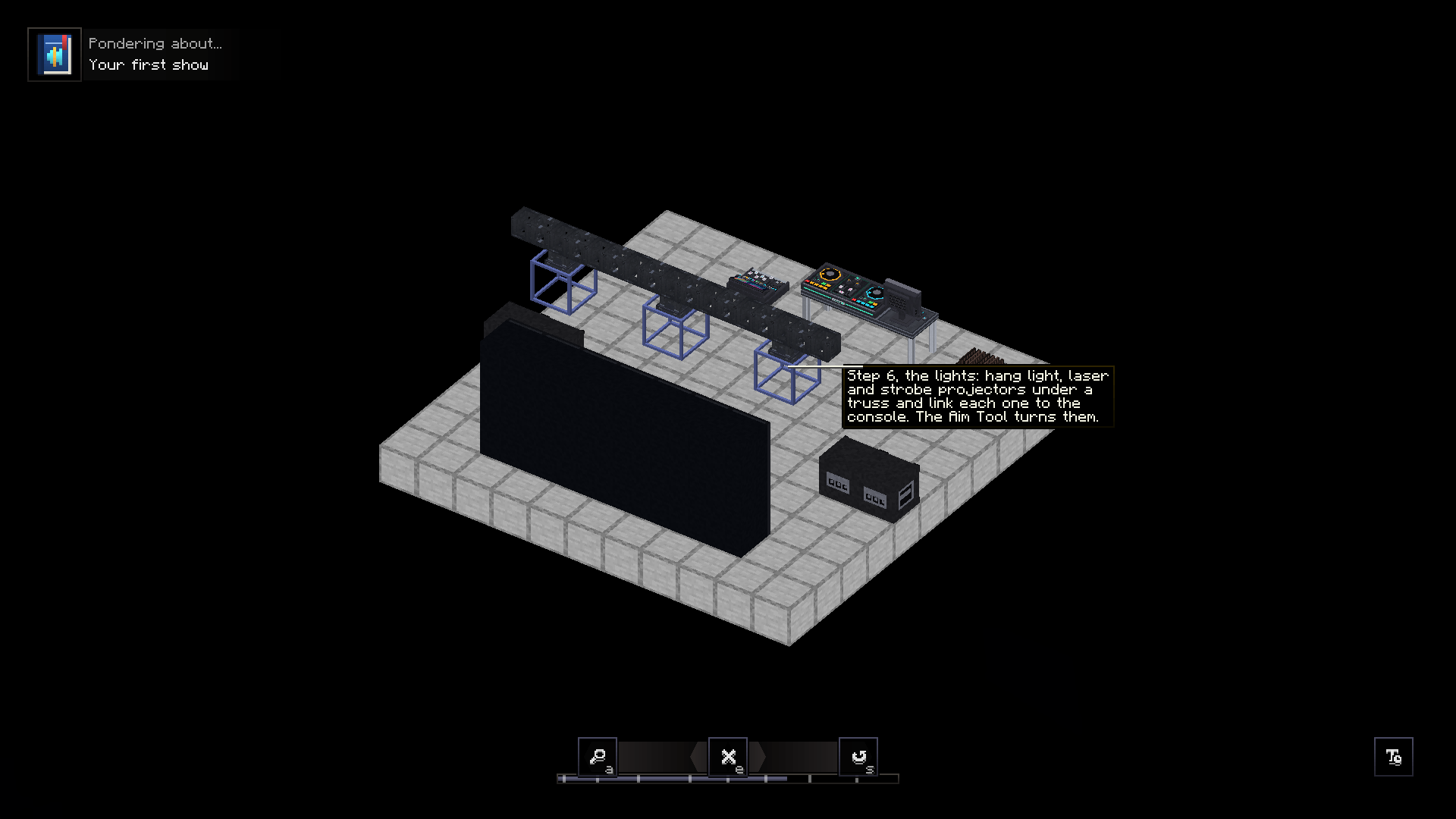
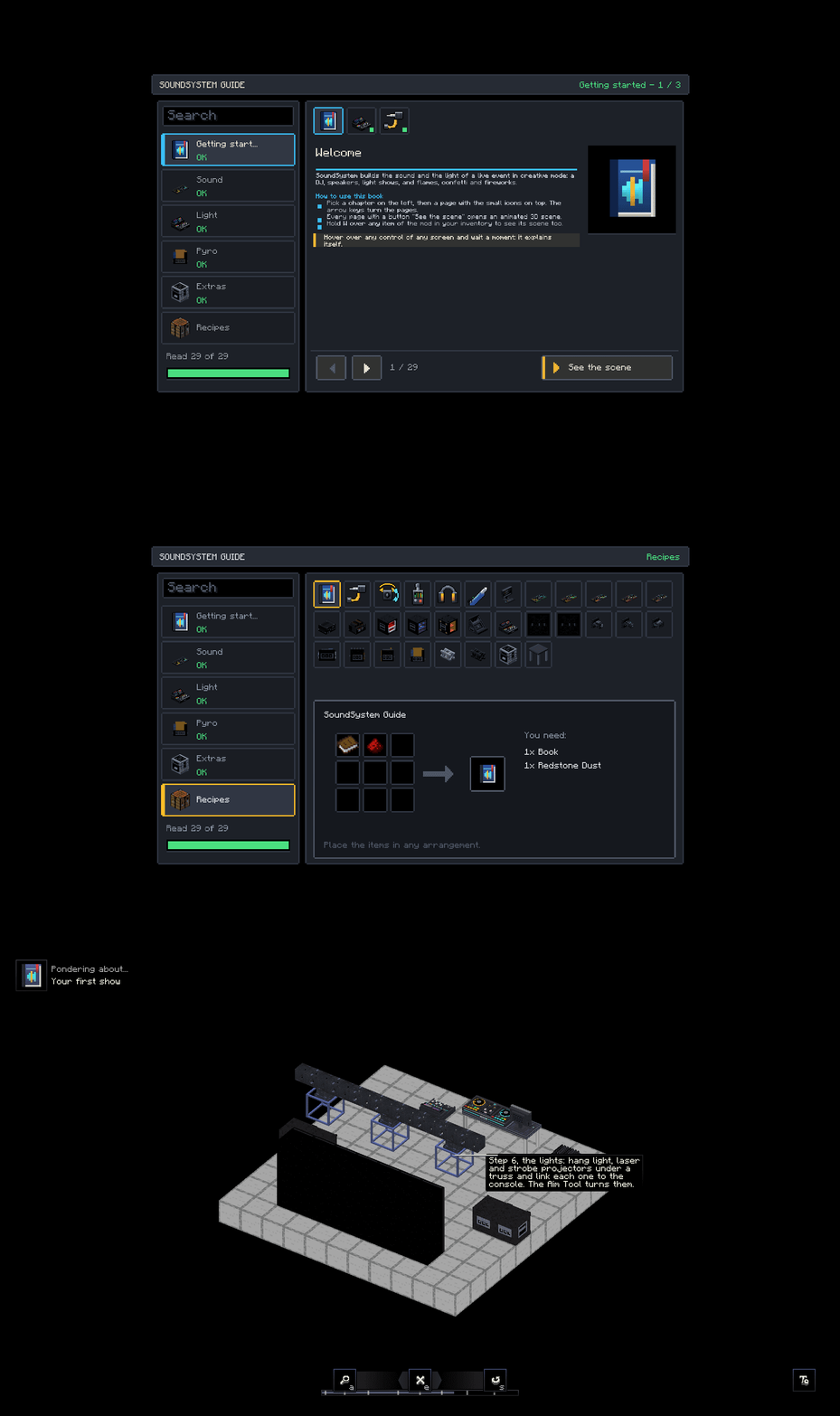
The in-game Guide book (find it in the creative inventory) is a full tutorial: 5 chapters, 27 pages, search, read-progress tracking, and animated 3D scenes for almost every block (hold W over an item to open its scene directly, just like Create’s Ponder). It comes in English and French, following the game’s language. A dedicated Recipes menu shows every craftable item laid out like a crafting table. Everything is craftable from vanilla Minecraft materials — iron, redstone, note blocks, fireworks, no exotic ingredients.
What you can build
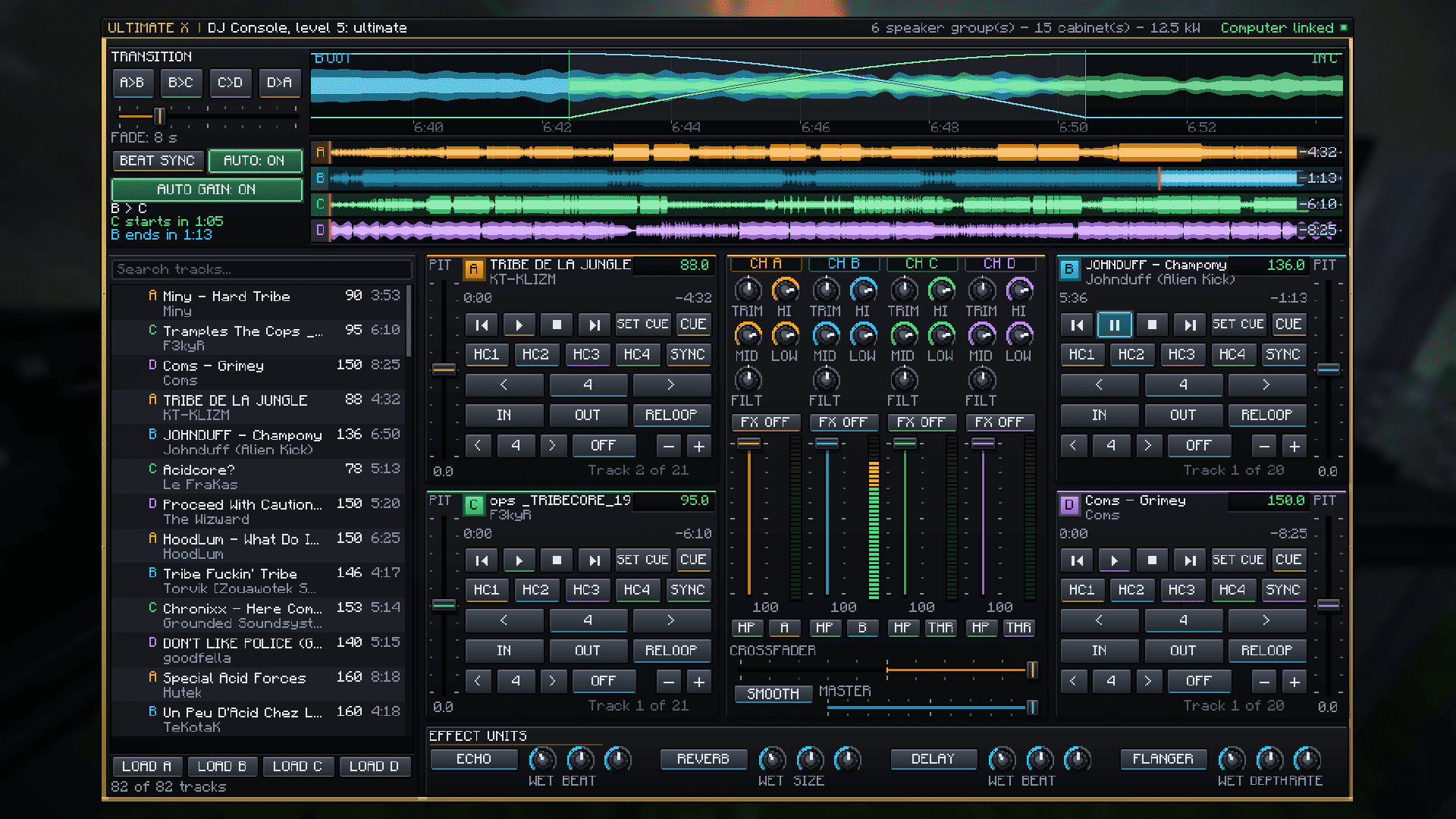
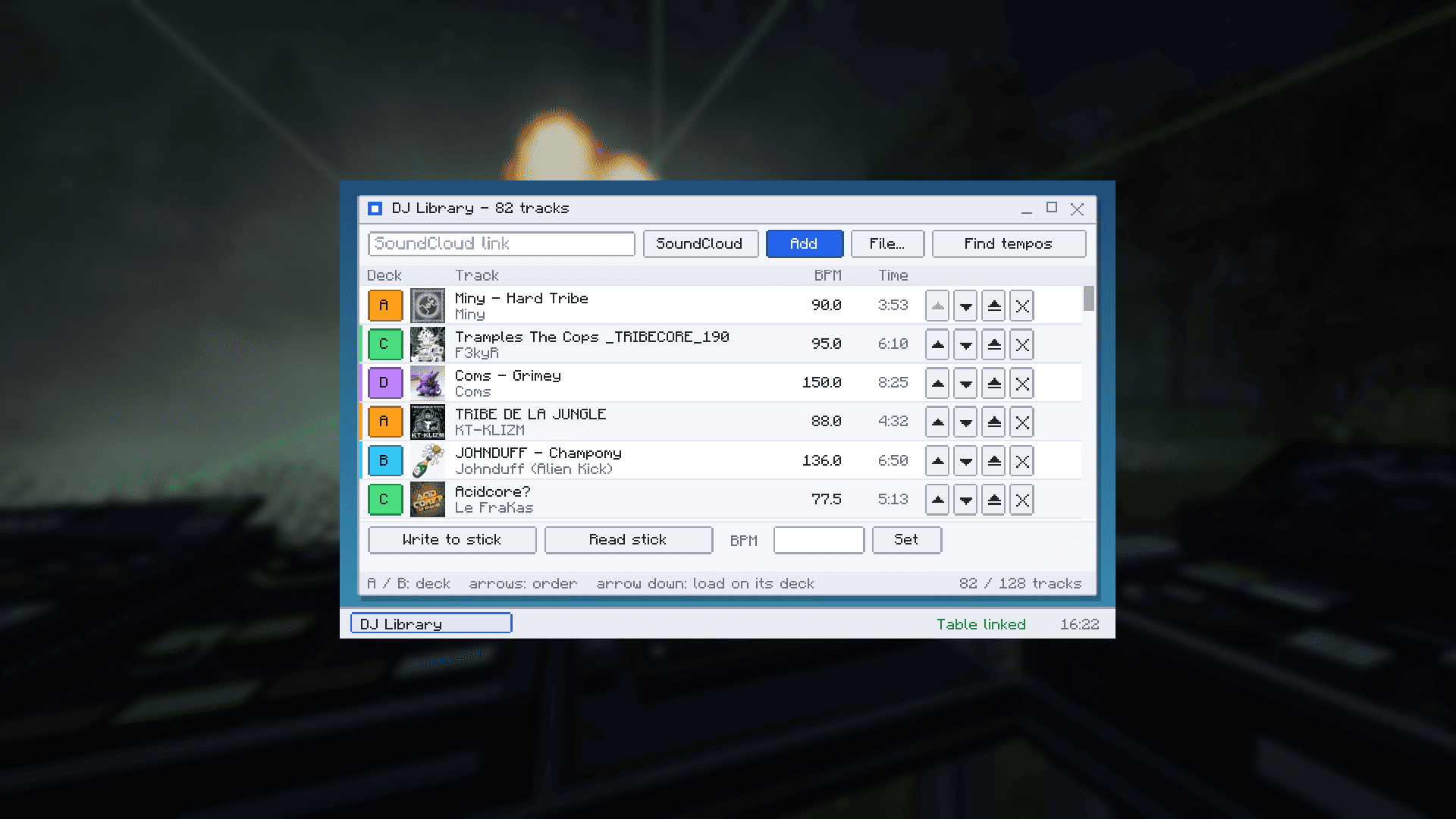
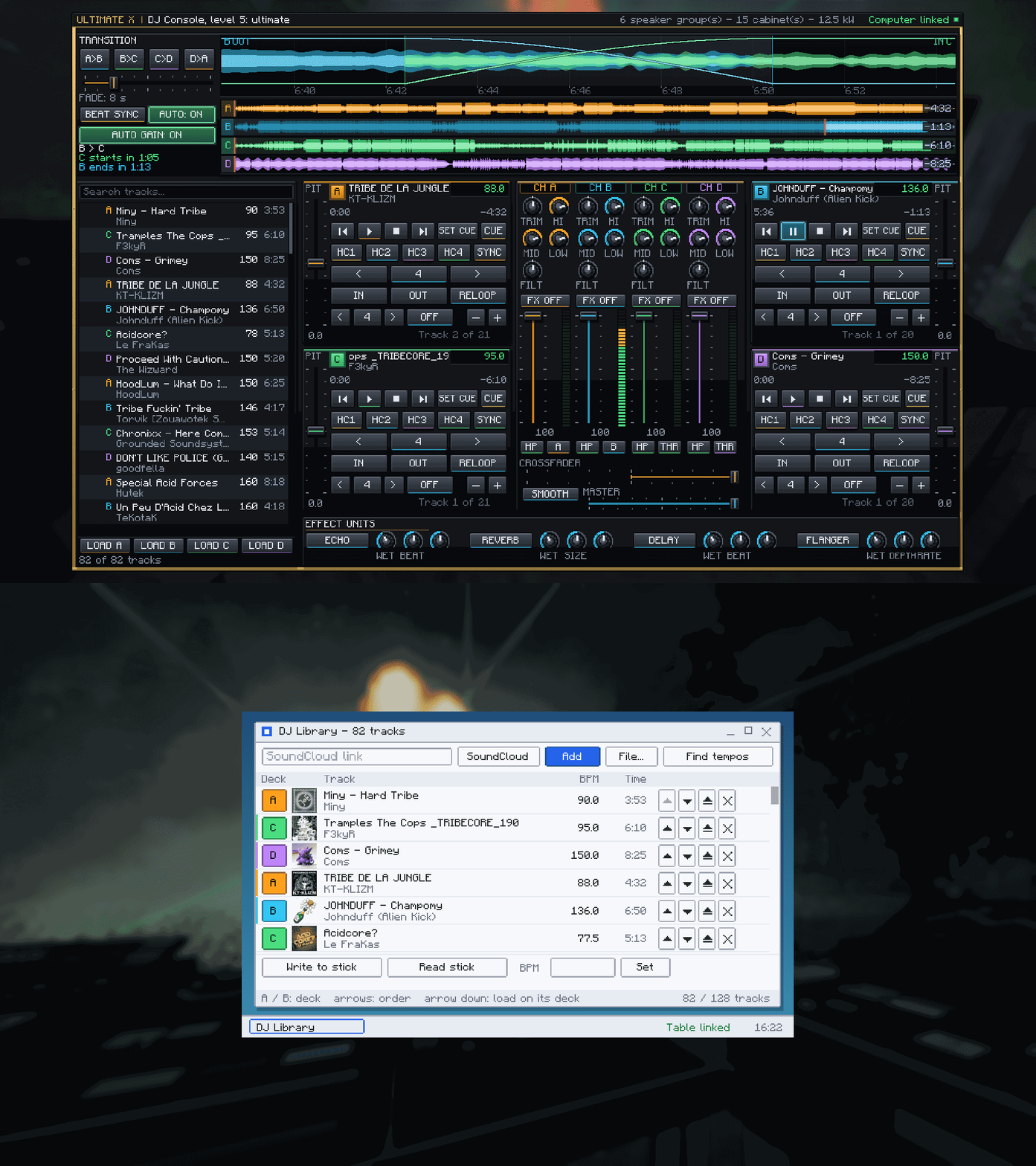
DJ booth — A DJ Computer holds your tracks and queues them. Add SoundCloud links (single tracks or whole playlists) or your own WAV, Ogg Vorbis and MP3 files with the File… button: the server keeps the file, and every player hears it on the same timeline as any other track. The computer finds each track’s tempo and beat grid for SYNC and loops. If the detected tempo is wrong, type the right one in the BPM field of the computer. The DJ Table (2 blocks long) mixes with a crossfader or an automatic beat-matched fade. There are five tables, and you level up by crafting the next one from the old one — its tracks and settings stay:
- Level 1 — 2 decks, one effect per deck, loops of 4 sizes, cue points, time jump
- Level 2 — 4 decks, 2 effect units, auto gain
- Level 3 — 4 decks, a rhythmic effect and a colour effect per channel, IN / OUT loops
- Level 4 — 4 decks, beat loops, a track list with search
- Level 5 — 4 decks, 4 effect units, a track list with covers
Move tracks between computers with a USB stick, and pre-listen on a pair of wearable headphones.
Sound engineering — Monitors, subwoofers, tops and line arrays, each with a real range and frequency response. Speakers of the same kind merge into clusters up to 3×3 when they touch. Chain a Processor (EQ, delay, limiter) and an Amplifier between the deck and the speakers, and measure your coverage with the Analyzer (level meter, spectrum, coverage map, rangefinder). Sound travels like sound: it fades with distance, bass goes through walls better than treble, it takes time to arrive, and rooms have reverb.
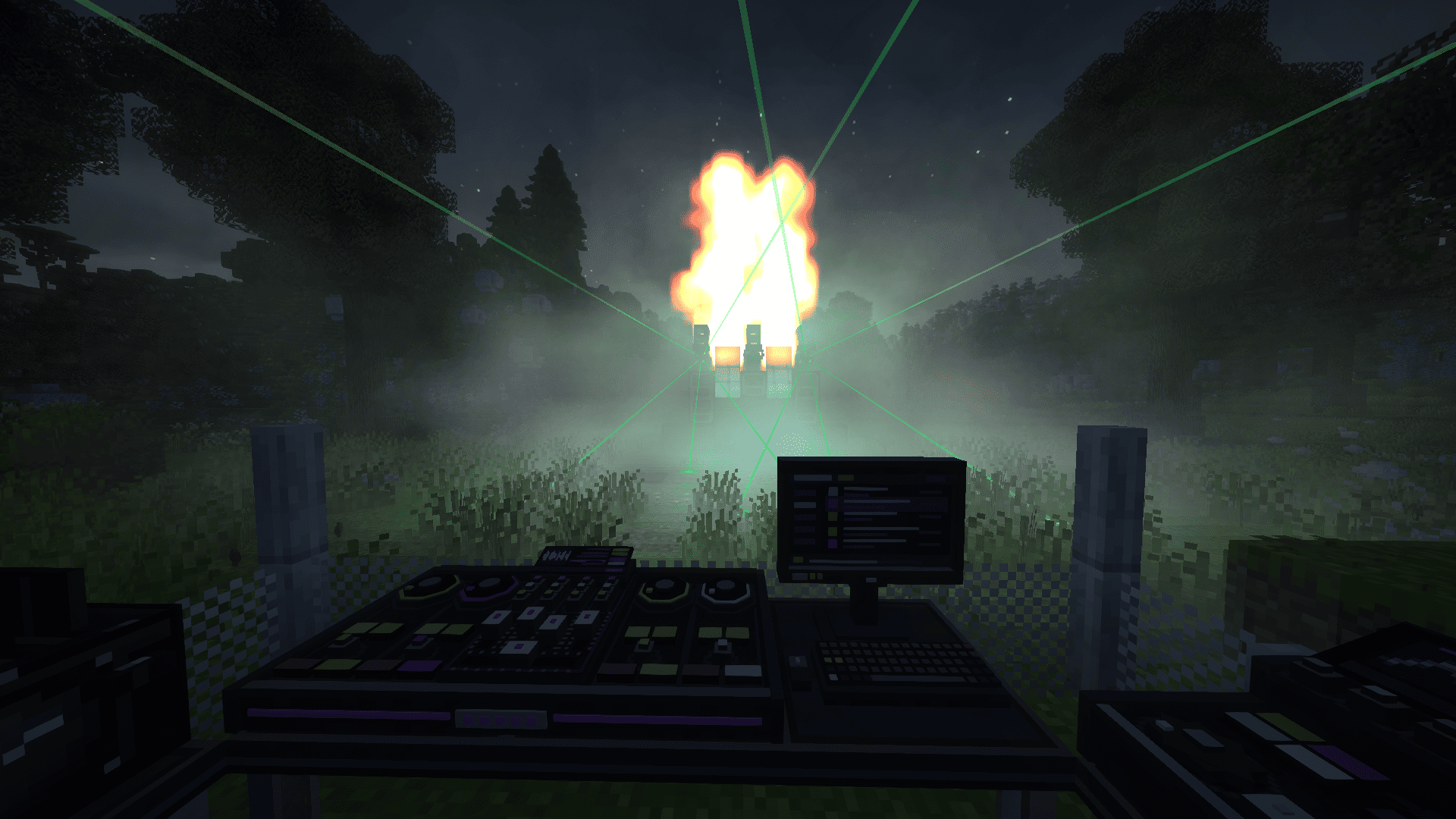
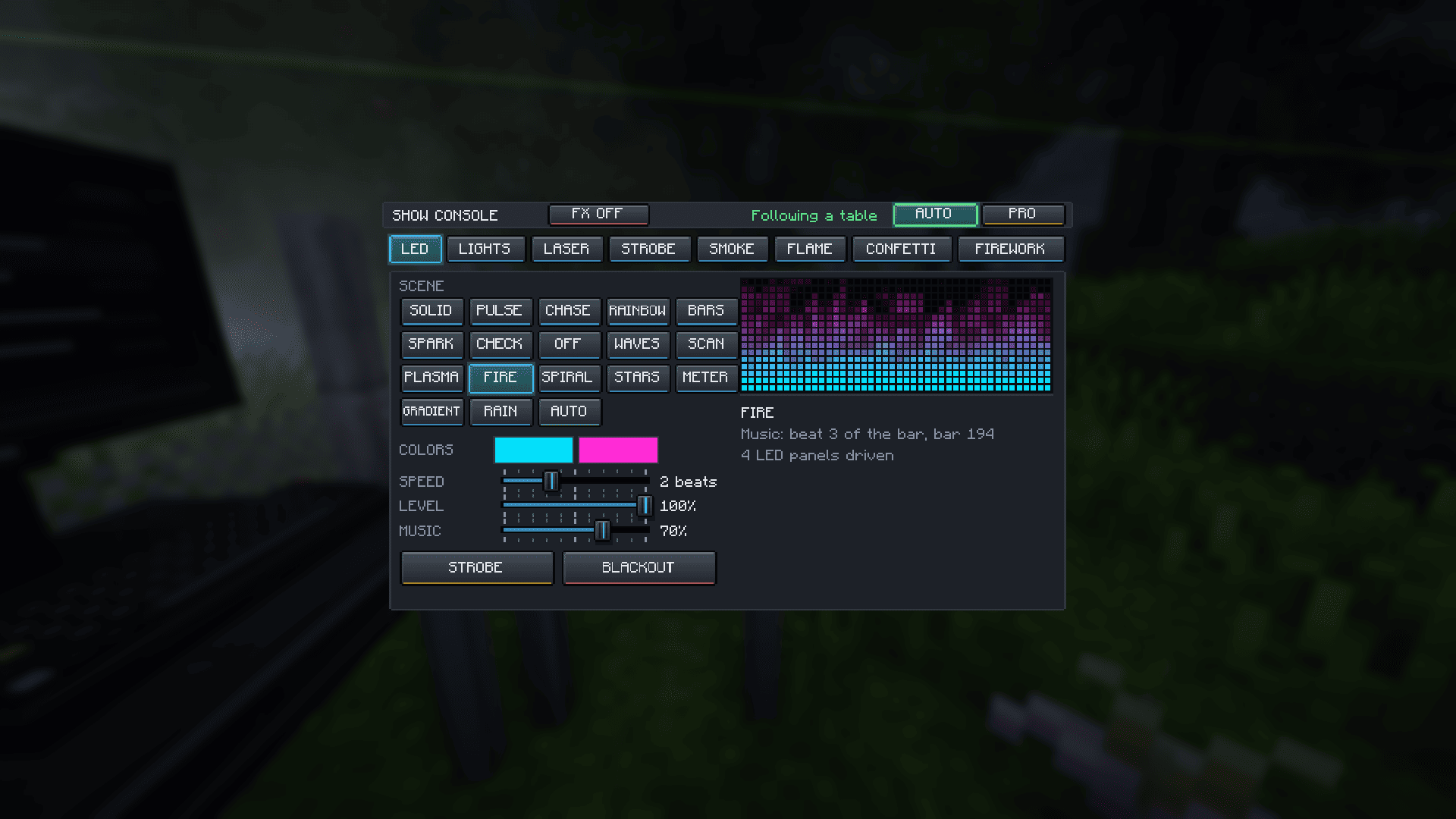
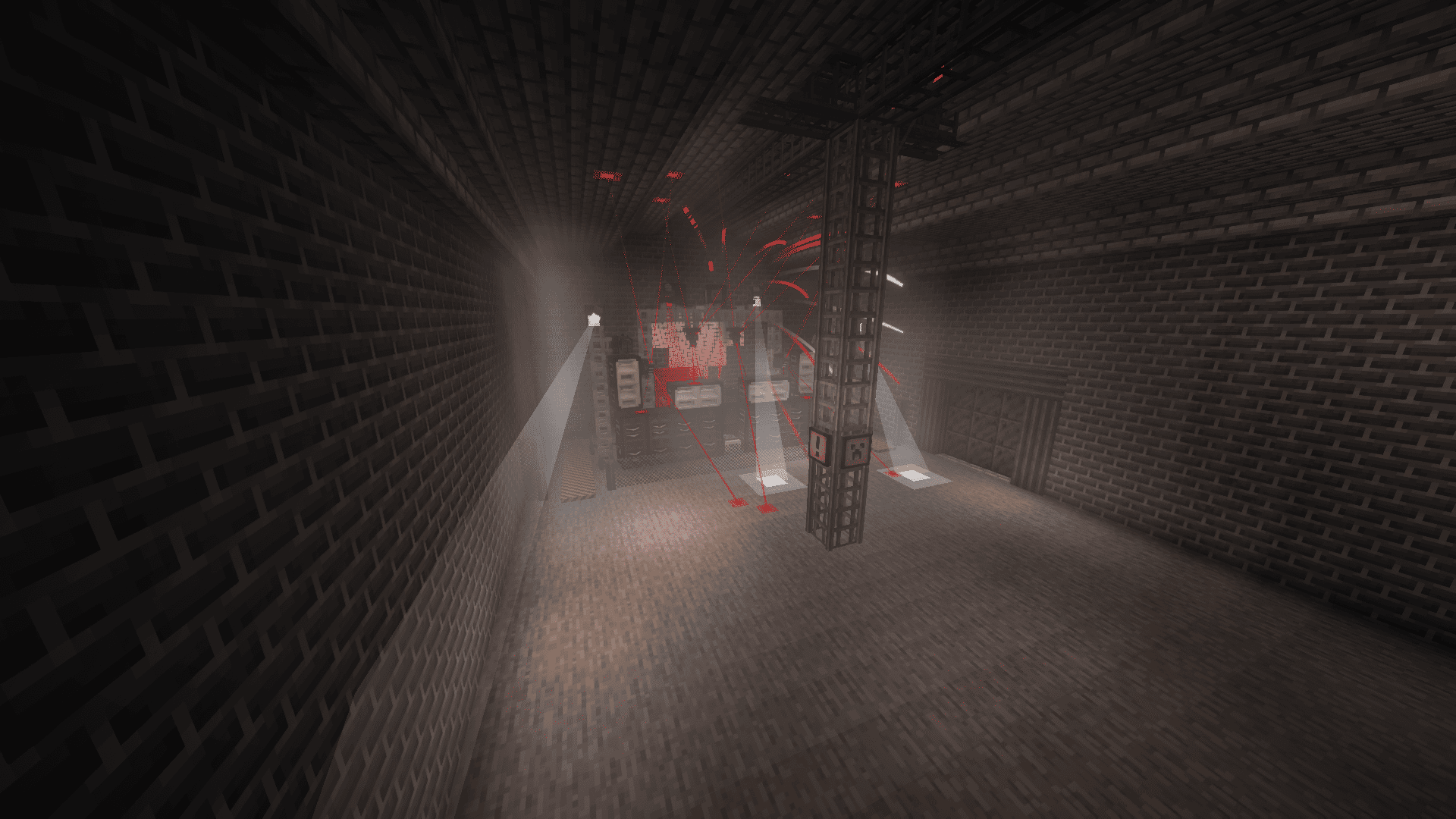
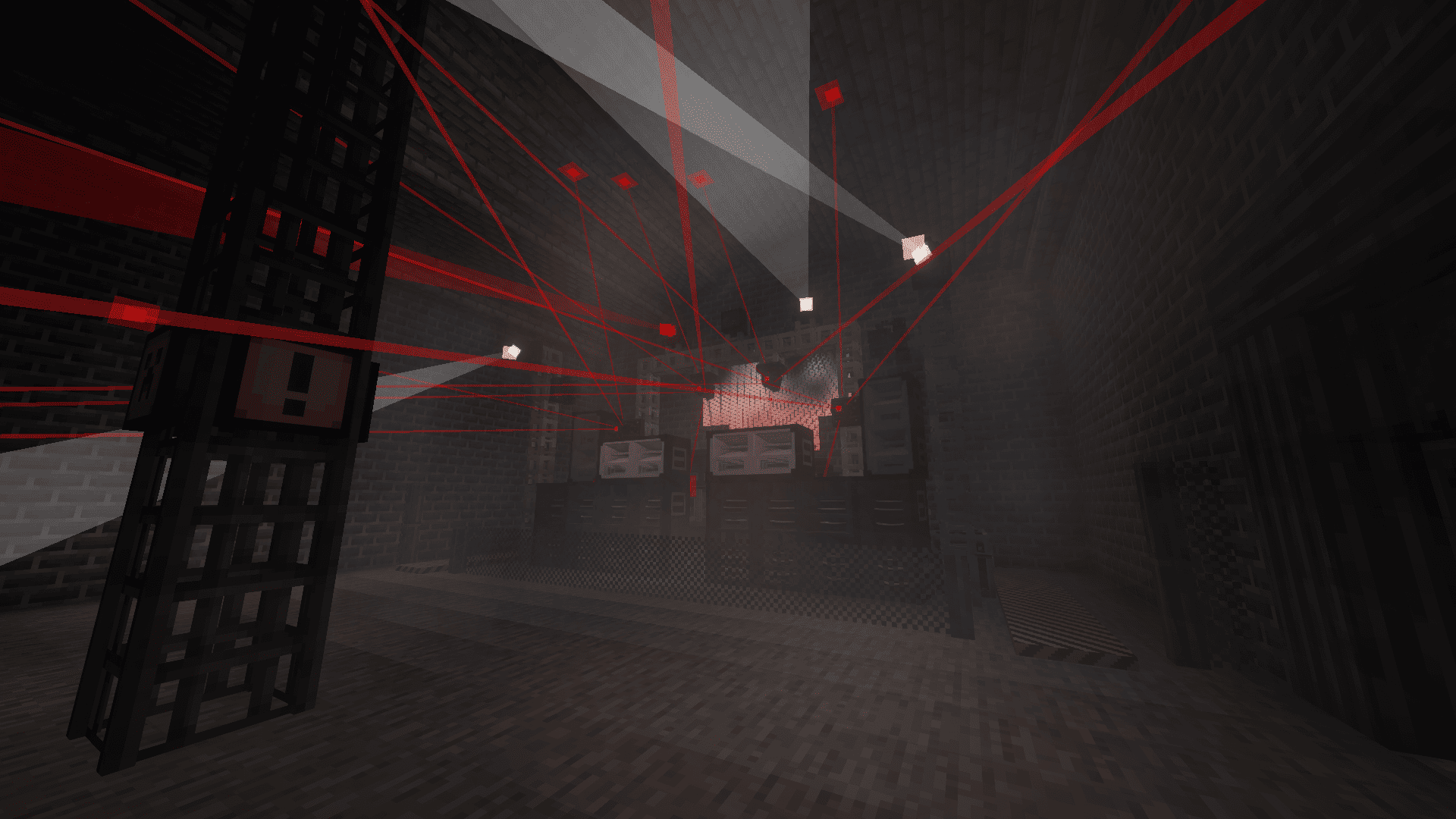
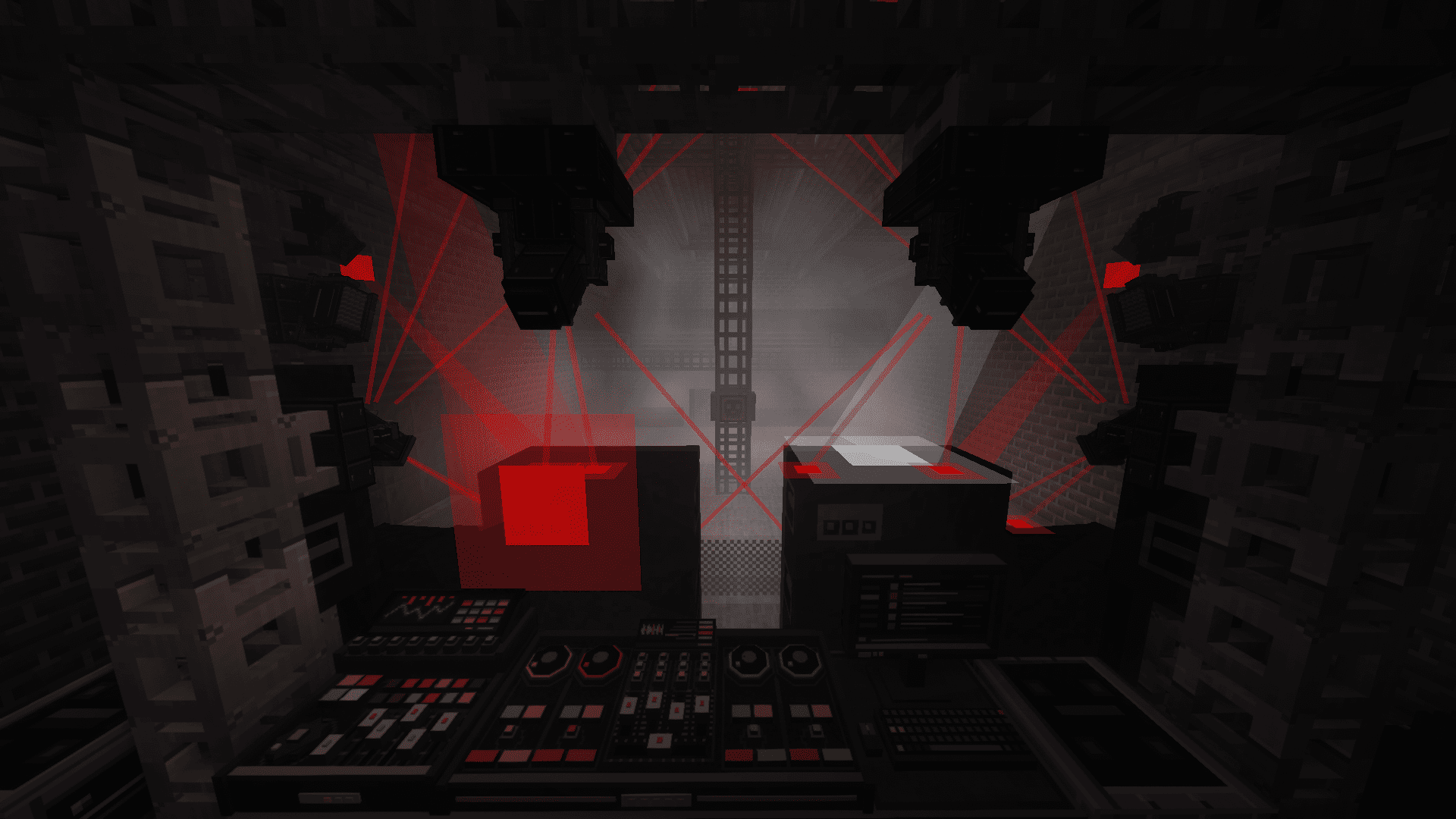
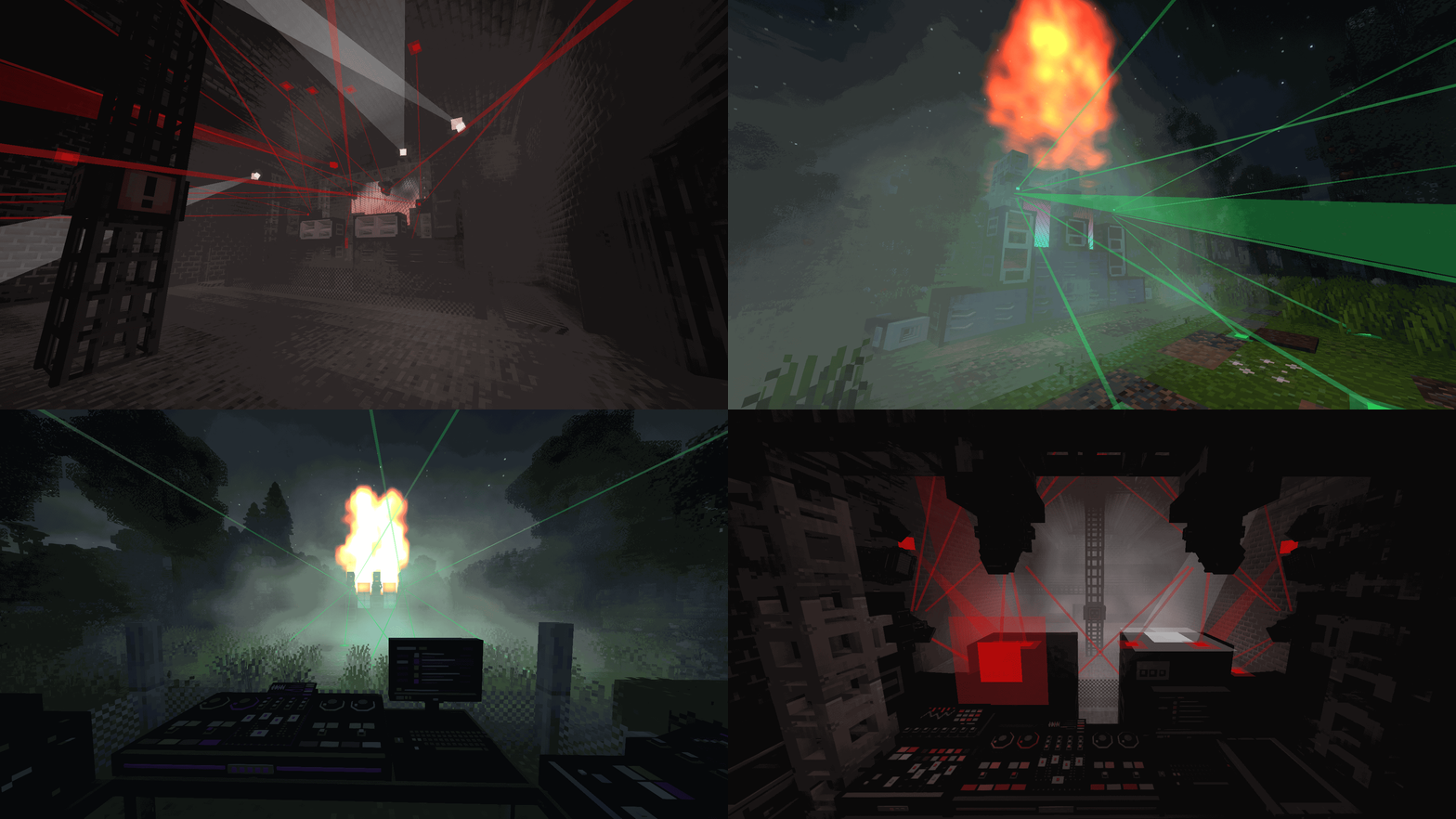
Light show — A Show Console drives LED and strobe panels, light/laser/strobe projectors, and smoke machines, automatically synced to the beat. Flip it to PRO mode for full DMX-style control: patch every fixture to its own universe and address, build cues, and run a sequence.
Pyro — Flame projectors (real-looking fire jets, no block damage), confetti cannons (confetti or streamers, in your chosen palette), and firework launchers (5 shell types: fountain, candles, burst, willow, ring — adjustable height, size and blast count). Everything is purely visual: nothing burns, nothing breaks. One button on the console, FX OFF, holds back every effect at once for rehearsals.
Decor — Modular stage tables and flight cases (they work like chests and join up to 3 wide) to dress the venue and hold your gear.
No redstone, no visible wires
Every device is wired with the Linking Tool (click two blocks to connect them, sneak-click to undo) and turned to face any direction with the Aim Tool. Hover any control on any screen and it explains itself. The server never carries audio or video: it only shares the show’s timeline (which track, at which position, with which settings) — apart from the audio files players choose to send it, which it stores once and hands out in the background. A big event stays light on the server; every player decodes their own music and renders their own lights.
Requirements
- Minecraft 1.21.1
- Fabric: Fabric Loader 0.16.14+ and Fabric API — or NeoForge: 21.1 or newer (tested with 21.1.265)
- SoundSystem Lib — required, the jar for the same loader. SoundSystem 2.2.0 needs Lib 0.2.0 or newer; if yours is too old, the game tells you which version to get
- Ponder is included in the Lib (with Flywheel, and Forge Config API Port on Fabric, inside it): there is nothing else to install for the animated guide. If you already have Ponder or Create, the newest version is the one used
- Sodium and Iris are supported on Fabric, with or without shader packs. On NeoForge the mod draws with the same vanilla layers, but Embeddium and Oculus have not been tried yet
Pick the jars for your loader: soundsystem-fabric-<version>.jar and soundsystemlib-fabric-<version>.jar, or soundsystem-neoforge-<version>.jar and soundsystemlib-neoforge-<version>.jar. On a server, put both jars on the server and on every player’s client, and keep the same version of the mod on both sides.
Coming from SoundSystem 1.x or 2.0/2.1.0?
- Your worlds keep working: blocks, saved data and network behaviour are unchanged.
- Add SoundSystem Lib next to the mod. On Fabric, install Fabric API too — it is no longer bundled inside the mod.
- Up to 2.1.0 the mod was Fabric only and its jar was named
soundsystem-<version>.jar. From 2.1.1 each loader has its own jar (soundsystem-fabric-…,soundsystem-neoforge-…): replace the old one with the one for your loader, and update the Lib the same way. - The first time the Lib starts, it takes over your sound settings from
config/soundsystem.jsoninto its ownconfig/soundsystemlib.json. - Music is no longer loaded through LavaPlayer: the Lib has its own SoundCloud client and its own decoders (AAC for SoundCloud, WAV, Ogg Vorbis and MP3 for your files), with no third-party library.
- Tracks analysed by an older version keep the tempo stored with them. If one is wrong, set it with the BPM field of the DJ computer.
What is the Lib for?
SoundSystem is split in two on purpose. SoundSystem is the content: blocks, items, screens, the guide. SoundSystem Lib is the engine under it: it finds and decodes the music from a SoundCloud link or an audio file, keeps every player’s sound on the same timeline, and works out what each player hears from the speakers around them. Because the Lib knows no blocks, other mods can use it to play music in their own world — and when SoundCloud changes something, the fix is a new Lib release, without touching the mod.
Config highlights
Two files, created on first start; missing fields get their default value.
config/soundsystem.json (the mod): quality presets (low/medium/high) for LED resolution, beam segments and smoke particles, fluid quality for smoke and flames, beam opacity (turn it down if a shader pack makes beams too glaring), the synchronisation margin between players, and sliders for speaker range and for how much bass and treble go through obstacles — tune it for a small setup or a 50-player festival. On a server it also holds the rules for audio files sent by players: whether they may send any (allowAudioUploads), the biggest file (maxUploadMegabytes, 50 by default) and the most audio the server keeps in all (maxStoredMegabytes, 2048 by default).
config/soundsystemlib.json (the Lib): the longest playlist accepted, how many media players a client plays at once, and switches for reverb, propagation delay and speaker distortion.
Commands
/soundsystem stats— what the mod is costing your server, live/soundsystem festival— spawns a full test rig in front of you to stress-test your setup
Music is loaded from public SoundCloud links, or from audio files that players choose to send from their own computer (WAV, Ogg Vorbis, MP3). The mod doesn’t ship any audio itself, and a server only keeps the files its players send, in the world’s folder. Tracks that SoundCloud protects with DRM can’t be played!
常见问题
SoundSystem 支持哪些 Minecraft 版本?
SoundSystem 支持 Minecraft Java 版 1.21.1,可用的加载器:Fabric / NeoForge。下载时注意选择和你游戏版本一致的文件。
SoundSystem 怎么安装?
先用 PCL2 或 HMCL 启动器安装对应版本的 Fabric / NeoForge,再把下载的 .jar 文件放进游戏目录的 mods 文件夹,重新启动游戏即可。开启了版本隔离的,mods 文件夹在 versions/版本名 下面。

评论
登录后评论和评分